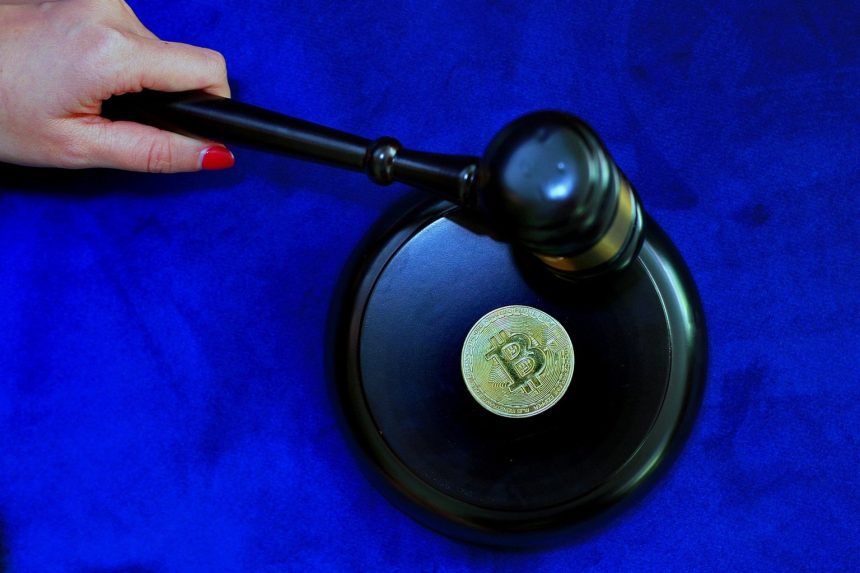
Crypto sanctions evasion sits at the center of new policy steps that link digital assets and energy security. According to the source, Russia has extended its gasoline export ban through 2026, while the European Union approved fresh measures aimed at crypto channels allegedly helping Moscow evade restrictions. These parallel moves underscore how payment rails and commodity flows now interact under wartime stress and enforcement actions.
Crypto sanctions evasion in the EU’s 21st package
The European Union adopted its 21st sanctions package on July 23–24, 2026. It includes measures that specifically target crypto sanctions evasion. According to the source, the package bans transactions with 14 crypto-related service platforms across six jurisdictions. The goal is to constrict flows that regulators say enable circumvention of existing financial restrictions. In addition, four entities allegedly linked to the so-called “A7 Network” were added to the bloc’s sanctions list.
The source indicates that the A7 Network has processed an estimated $120 billion via its proprietary stablecoin, A7A5. Policymakers appear focused on intermediaries that provide liquidity and convertibility. They are not imposing a blanket ban on retail crypto usage. However, enforcement impact will hinge on cooperation across non-EU venues where these platforms operate. Coordination will likely determine how much liquidity is actually curtailed.
Crypto sanctions evasion intersects with Russia’s fuel policy
Russia has officially extended its gasoline export ban through the end of 2026. The measure covers both producers and non-producers, according to the source. Officials frame the step as a bid to stabilize domestic fuel supplies after Ukrainian drone strikes. The strikes reduced gasoline production to roughly 65% of seasonal demand. As a result, authorities are prioritizing internal balance while managing price and supply pressure.
The fuel restriction coincides with alleged crypto channels used for cross-border settlement. These include stablecoins cited in the EU’s sanctions context. The source connects these strands by noting that crypto rails have been used, according to EU findings, to move value outside conventional banking corridors. Even so, the material does not quantify how much these rails offset lost export revenue. It also does not specify logistical frictions that remain unresolved.
How the A7 Network fits into crypto sanctions evasion
The A7 Network’s role, as described by the source, centers on its A7A5 stablecoin. It reportedly mediated significant volumes relevant to Russia’s sanctions evasion toolkit. The EU’s inclusion of four A7-linked entities signals pressure on infrastructure that can provide scale, liquidity, or settlement finality beyond traditional systems. Therefore, the package aims to disrupt both primary and secondary layers of crypto-based value transfer.
Practical outcomes will depend on execution. Platforms facing EU transaction bans may route activity through non-aligned jurisdictions. That could fragment liquidity rather than eliminate it. As a result, compliance screening and wallet analytics remain pivotal. Cooperative intelligence sharing also matters, according to the source’s framing. These tools can narrow evasion channels even when activity shifts.
Policy signals, constraints, and what to watch
The extension of Russia’s gasoline export ban signals ongoing stress in refining capacity and logistics. Meanwhile, the EU’s crypto-specific measures show a belief that targeted digital asset restrictions can complement trade and finance curbs. In combination, these actions use energy management and crypto enforcement as parallel levers. The approach seeks to restrict both physical and digital pathways.
Observers may track several operational markers cited by the source. First, which of the 14 affected platforms curtail EU-facing services. Second, how quickly blacklisted entities lose access to fiat ramps. Third, whether peer jurisdictions echo the EU’s bans. In addition, shifts in domestic Russian fuel availability could shape the duration or scope of the export limits. These indicators will clarify real-world effects over the coming months.
What the latest steps say—and do not say
According to the source, the EU’s 21st package is not a blanket prohibition on crypto. It is a surgical move aimed at channels tied to crypto sanctions evasion. However, the measures do not specify the full operational map of A7A5 flows. They also do not quantify the share of Russian payments allegedly routed through the A7 Network. As a result, the headline figures provide scale without detailing counterparties, trade types, or sectoral exposure.
Russia’s fuel policy update is explicit in timing and coverage. It runs through end-2026 and includes producers and non-producers. By contrast, downstream effects on neighboring energy markets are not detailed in the source. Questions remain about regional substitution and pricing dynamics. Therefore, the combined policy steps should be read as directional signals rather than full accounts of market impact.
Key takeaways on crypto sanctions evasion channels
- The EU targeted 14 crypto-related platforms and four A7-linked entities to curb crypto sanctions evasion.
- The A7 Network allegedly processed about $120 billion via its A7A5 stablecoin.
- Russia extended its gasoline export ban through 2026 to shore up domestic supply after drone strikes.
These developments reflect a dual-front approach: tighten physical commodity flows while hardening digital value-transfer controls. For more background, see the source material on related actions at CryptoBriefing. Monitoring enforcement, coordination, and platform compliance will be crucial to assess outcomes.