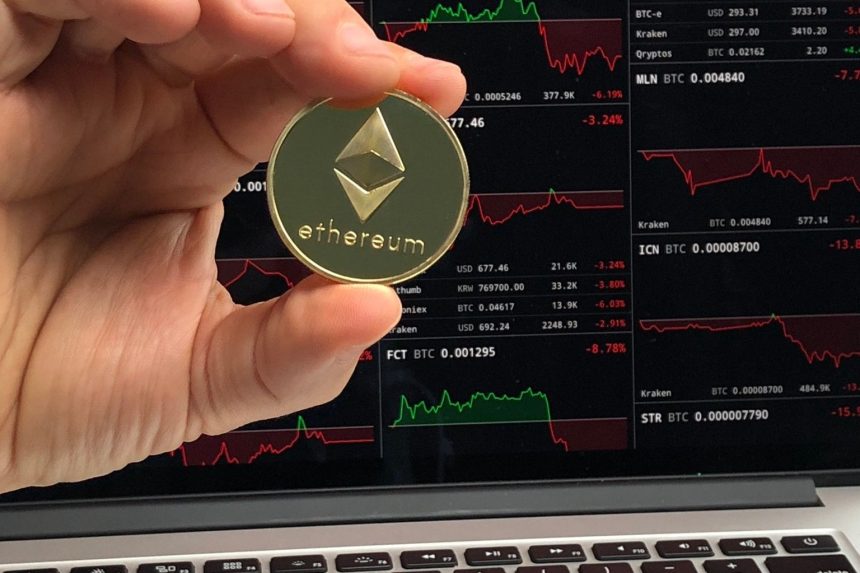
Ethereum whales increased accumulation as ETH held above $1,800, and several metrics signaled improving activity. According to the source, large holders bought about 11,306 ETH worth roughly $20.59 million over the past three days, coinciding with price stabilization. Meanwhile, spot Ethereum ETFs recorded net inflows, and a new Layer-2 launch drew strong early interest. However, broader direction still depends on liquidity and demand conditions.
This accumulation by Ethereum whales followed a period of muted trading, suggesting renewed confidence among large addresses, according to the source. The purchases clustered as ETH steadied above $1,800, a level watched for signs of support. By contrast, earlier weeks showed choppier flows and reduced participation from some cohorts. Notably, the recent bid from whales aligned with incremental improvements in derivatives and spot liquidity, per the same account.
Ethereum whales and ETF flows
Spot Ethereum ETFs posted more than $18 million in net inflows on Friday, lifting monthly totals past $128 million. Therefore, the shift reversed prior outflows cited earlier in the month. According to the source, these inflows arrived as volatility eased and market depth improved. However, the scale remains modest compared with past peak periods.
At the same time, persistent buying by Ethereum whales added to a constructive tone. As a result, some observers noted more balanced order books and steadier funding rates. In addition, on-chain activity showed coins moving to long-term holdings, based on address behavior described in the source. However, the report did not link the accumulation to a single catalyst.
Robinhood Chain’s early traction
Robinhood’s newly launched Layer-2, Robinhood Chain, drew about $141 million in ETH bridge activity in its first week, according to the source. In the same span, daily active users reached around 194,000, underscoring an early wave of experimentation and access to decentralized finance. Therefore, the rollout broadened on-ramps for users familiar with Robinhood’s interface. However, it is unclear how sustained this activity will be over a longer horizon.
In addition, developers and liquidity providers reportedly engaged with early DeFi tooling on the network. By contrast, many new L2s see slower initial adoption before incentives scale. According to the source, Robinhood Chain’s traction may reflect demand for simplified access to on-chain activity. However, interoperability, security, and fee dynamics will likely shape subsequent growth.
Signals, liquidity, and market tone
The trio of signals—Ethereum whales accumulating, ETF inflows, and L2 traction—coincided with ETH stabilizing above $1,800. As a result, market participants watched whether these flows would persist into the coming weeks. In addition, analysts cited the importance of liquidity conditions across spot and derivatives venues. However, sentiment can shift quickly around macro events and crypto-specific headlines.

According to the source, the recent ETF inflows reversed earlier outflows, hinting at a tentative return of institutional interest. Meanwhile, whale purchases aggregated across several large addresses rather than one entity. By contrast, retail activity appeared more evenly distributed, with Robinhood Chain’s users illustrating broader participation. Notably, these developments unfolded without a single dominant narrative beyond improving access and liquidity.
Overall, observers described incremental improvements rather than sweeping changes. In addition, address-level data showed accumulation alongside restrained exchange outflows, per the source. However, the sustainability of these patterns may depend on transaction fees, network throughput, and cross-chain liquidity. Therefore, participants are watching for confirmation across subsequent sessions.
For now, the combination of Ethereum whales increasing holdings, net ETF inflows, and early L2 momentum has defined the week’s tone. In addition, stabilization near the $1,800 mark provided a reference point for market structure discussions. However, price remains sensitive to shifts in demand, funding, and external risk factors. According to the source, the coming data will clarify whether these signals mark a short-lived bounce or a more durable trend.
Further details are available in the original reporting at Blockonomi.